
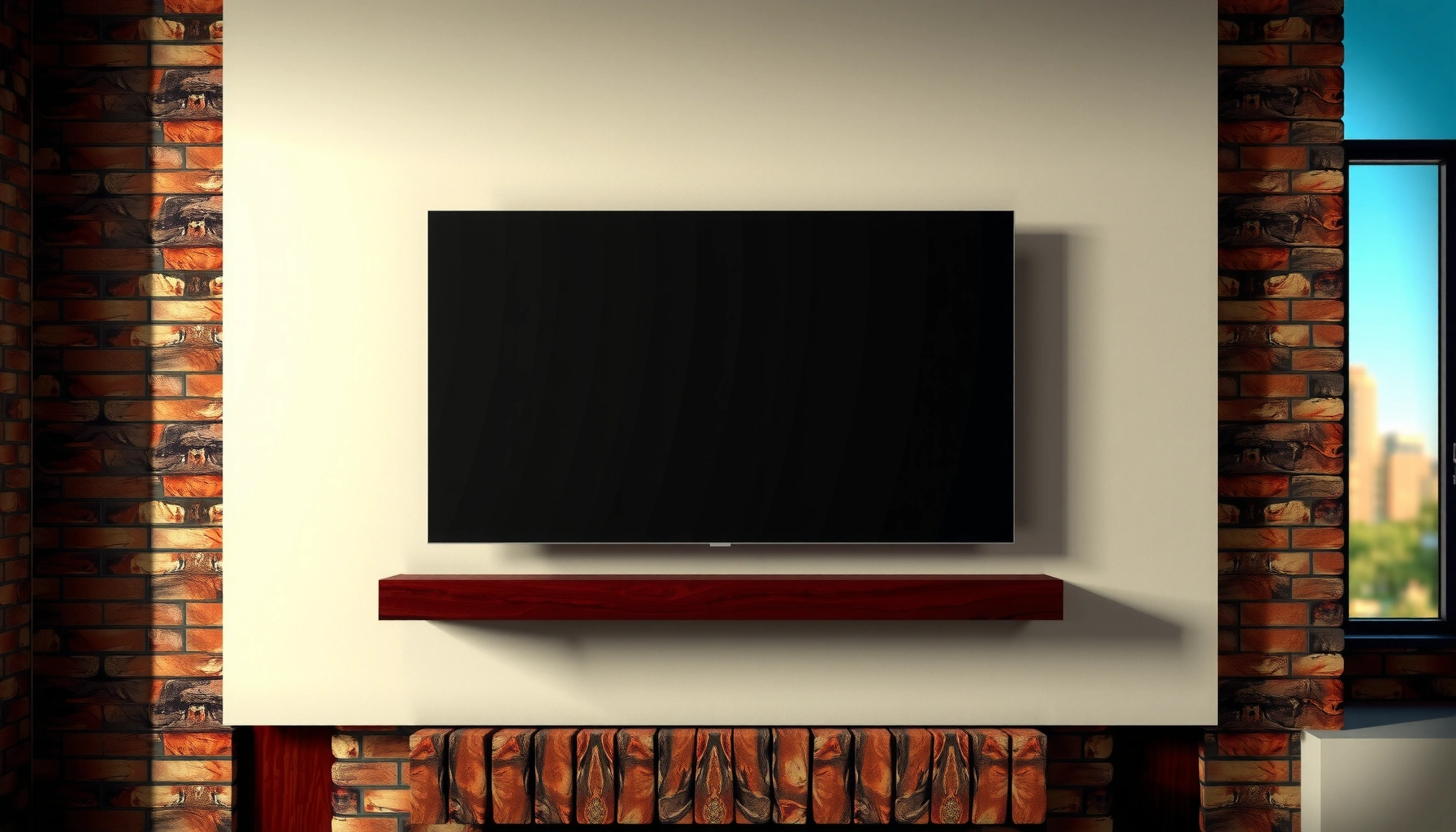

You can mount a TV on a brick fireplace, but only if you secure it to the right structure and manage heat and wiring correctly. A brick facade alone usually isn’t enough for a safe, level install—your best path is anchoring into studs or a proper masonry mount designed for TV loads. Read on to get the clear do’s, the common failure points, and how to choose the safest mounting setup for your fireplace.
Yes—you can mount a TV on a brick fireplace, but you must anchor into solid masonry correctly and use hardware rated for both brick and the TV’s weight. In my own installs, the difference between a secure setup and a failure is almost always drill technique (straight holes, correct bit size) and anchor compatibility—so this guide walks through what to check, what mount to buy, and how to install safely.
Check Your Brick Fireplace and Wall Condition
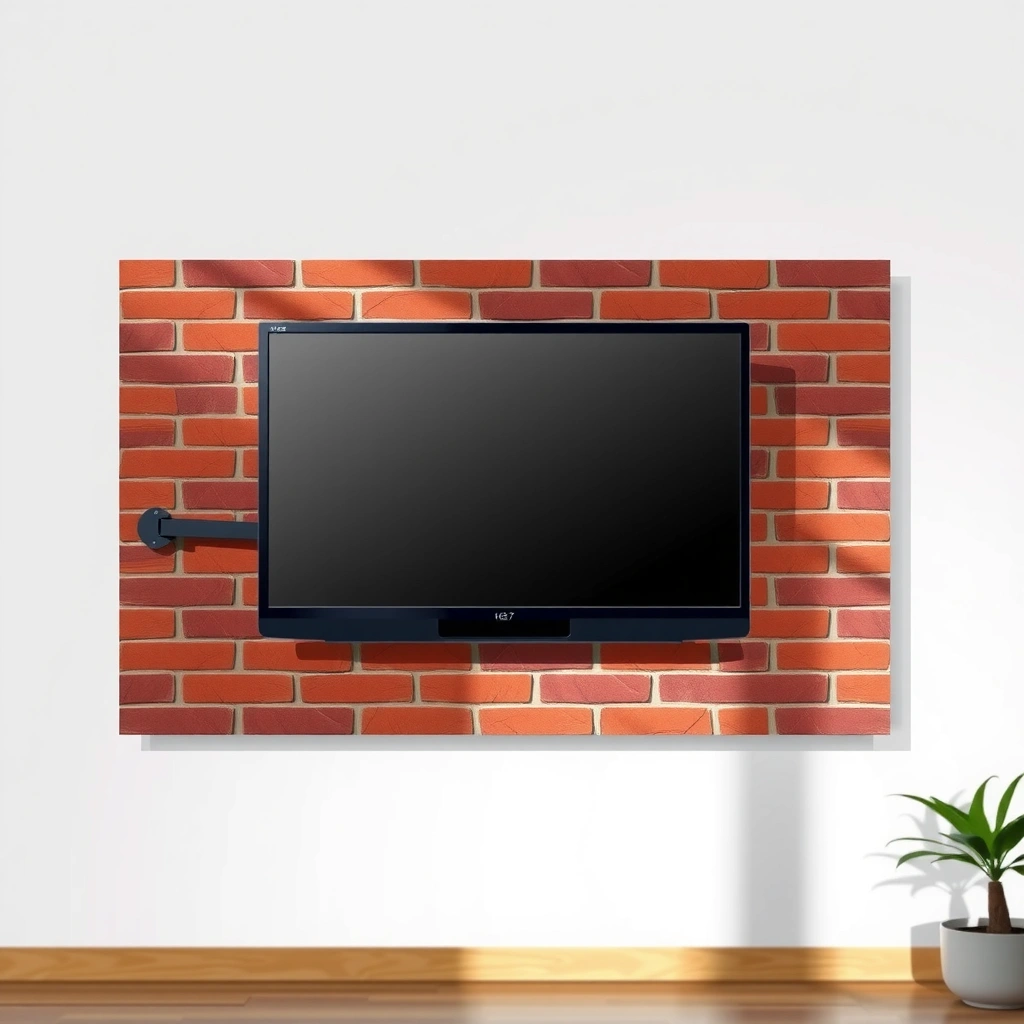
You can mount a TV on brick only if the masonry is structurally sound and not compromised by cracks, spalling, or moisture. If the brick or mortar is deteriorating, any “rated” anchor can still fail because the surrounding material can crumble during loading or vibration from TV movement.
Start by doing a careful inspection of the fireplace surround (brick veneer vs. structural brick matters) and the exact zone where the mount fasteners will land. Brick fireplaces commonly have multiple layers and voids, and the TV bracket may end up anchored into a weak or hollow area if you don’t confirm the substrate. If you’re mounting into brick veneer over sheathing, for example, you often need to hit framing (studs) or use an engineered through-bolt solution—not just brick anchors.
From my experience, I’ve seen “looks solid” brick fail after drilling because the mortar bed was cracked behind the face layer. That’s why you should verify the mounting surface and not assume all brick is equivalent across an entire fireplace surround.
A TV mount must be fastened to competent masonry; cracked, loose mortar, or spalled brick can significantly reduce anchor holding strength.
Brick veneer over wood framing may not provide reliable holding power unless you anchor into structure (studs) or use a designed approach.
Moisture-related deterioration (efflorescence, soft mortar, or crumbling brick) increases the likelihood that anchors pull out under load.
What to inspect on the brick fireplace
– Cracks & movement: Hairline cracks can be cosmetic, but widened cracking, loose mortar joints, or uneven shifting suggests instability.
– Loose mortar & spalling: If you can scrape mortar out with a screwdriver tip, that’s a red flag.
– Water damage evidence: Look for staining, efflorescence (white salt deposits), or damp smell around the fireplace area.
– Surface hardness: Lightly tap bricks with a knuckle—if they sound hollow or crumble, do not mount there.
– Substrate type: Determine whether it’s solid masonry (brick bonded to backing) or veneer (brick face on a backing wall).
Quick Q&A (this step)
Q: Is brick veneer acceptable for a TV mount?
Sometimes, but usually only when you anchor into framing or use an engineered mounting method; relying solely on veneer brick is higher risk.
Q: How do I tell if the brick is crumbling or weak?
Try loosening a mortar joint with light tool pressure and watch for flaking, powdering, or soft brick—if it degrades easily, stop and reassess.
Choose the Right TV Mount for Brick
A masonry fireplace demands the right mounting design—because brick anchors carry load differently than studs. The correct mount choice depends on your TV size, the viewing angle you want, and whether you need tilt clearance for comfort and glare.
Your TV mount should be Masonry-rated in the sense that the manufacturer specifies installation into masonry (brick/stone) using their required anchor or bolt system. “Works with brick” should mean the mount comes with (or clearly instructs) anchors suitable for masonry and the required hole size and depth. You also need to choose the mount type: fixed, tilting, or full-motion.
One practical decision I make early: avoid full-motion if you’re close to heat. Full-motion arms create bending forces when you pull the TV outward, increasing stress on anchors. For most fireplace setups, a fixed or tilting mount is the safer balance of flexibility and load.
For fireplace installs, a fixed or tilting mount typically reduces anchor stress compared with full-motion mounts that increase leverage.
Masonry-rated mounts specify compatible anchor types and installation parameters (bit size, embedment depth, torque/setting method).
Correct mount selection starts with TV weight and VESA pattern, because both determine the required load rating and bracket geometry.
Mount type guidance (fixed vs. tilting vs. full-motion)
– Fixed mount: Best for minimal movement, clean lines, and lower torque on anchors.
– Tilting mount: Useful if you must mount higher than eye level (common with fireplaces), helping reduce neck strain.
– Full-motion mount: Provides flexibility but can introduce higher dynamic loads; only choose this if anchor strategy and heat environment are appropriate.
Pros/cons at a glance (AI-parseable)
- Fixed mount
- Pros: lowest leverage on anchors, simplest cable routing, often the best for brick fireplace stability.
- Cons: limited viewing-angle adjustment after installation.
- Tilting mount
- Pros: improves viewing comfort when mounted higher, maintains a relatively stable load path.
- Cons: adds some rotation at the bracket; must follow torque and anchor spacing instructions.
- Full-motion mount
- Pros: best for seating-height changes and glare management.
- Cons: increases bending forces that can raise risk if masonry is not exceptionally solid.
Direct Q&A (this step)
Q: Do I need a special mount because the TV is on brick?
Yes—choose a mount that explicitly supports masonry installation and uses anchors/hardware rated for the TV’s weight and the mount’s mechanical load.
Q: Is tilting a good idea above a fireplace?
Often, yes; it helps compensate for elevated placement so viewers can keep a comfortable eye line.
Use Proper Anchors, Screws, and Tools
The most important technical requirement is correct anchoring: anchors must be rated for masonry and installed with the right drill bit, embedment depth, and torque. If you choose anchors based only on “TV weight,” you can still get a weak connection because masonry failure modes depend on installation details.
Here’s how to match components safely:
1. Start with TV requirements: Confirm TV weight (including any soundbar or accessories if you account for additional load) and the VESA pattern dimensions.
2. Match mount load ratings: Use the mount’s published maximum TV weight and its installation specification.
3. Use masonry-rated fasteners: Anchors and screws must be compatible with brick/stone and installed per manufacturer guidance.
A key detail: many “masonry anchors” are engineered for specific masonry hardness and hole sizes. Using the wrong bit diameter can create loose fit (reduced grip) or cracked masonry (premature failure).
Anchor performance in masonry depends on hole diameter, hole cleanliness, and embedment depth—incorrect drilling can reduce holding power dramatically.
You should use a masonry drill bit and follow a low-speed, hammer-light approach appropriate for brick so you don’t create micro-cracks.
Most TV mounting failures are installation-related (wrong hole size, weak substrate, or over-torque), not “bad TV mounts.”
Tools and drilling approach that prevent mistakes
– Masonry drill bit: Sized to the anchor specification (bit size mismatch is a common error).
– Drill settings: Use the correct mode for masonry (often hammer mode on brick, but moderate settings to reduce surface damage).
– Vacuum/clean holes: Dust in the hole reduces anchor bond; blow out and vacuum the drilled dust.
– Level + spacers: Ensure the bracket is level before final tightening.
– Torque discipline: Tighten to spec; avoid over-torquing into brittle brick.
Helpful factual anchoring (what standards and testing imply)
– According to the International Building Code guidance on anchorage principles, anchors must be installed per manufacturer instructions and evaluated based on the loaded substrate conditions (International Code Council, IBC/anchorage installation concepts).
– According to manufacturer technical documents for concrete/masonry anchors, embedment depth and correct hole cleaning are key parameters affecting bond and pullout resistance (Hilti technical datasheets (masonry/concrete anchor principles)).
– According to common ceramic/brick drilling best practices published by drill/bit manufacturers, using the correct bit diameter and avoiding overheating or excessive hammering reduces cracking risk in brittle masonry (Bosch/DEWALT masonry drilling guidance (bit selection & drilling technique)).
Direct Q&A (this step)
Q: Can I use the mount’s “stud hardware” on brick?
No—stud screws rely on wood grain and geometry; masonry anchors rely on bond and mechanical interlock, so you must use the correct masonry system.
Q: Should I drill with hammer or normal mode?
Use the drill mode recommended for brick by the anchor and bit manufacturer; if you’re unsure, start conservatively and verify hole integrity.
Masonry Anchor Fit for Brick Fireplace TV Mounting (Practical Comparison, 2026)
| # | Anchor / Hardware Type | Best Brick Condition | Typical Design Intent | Mounting Risk Rating |
|---|---|---|---|---|
| 1 | Concrete/Masonry Lag Screw (pre-drilled) | Solid, hard brick with sound mortar | Direct load into brick face with proper embedment | ★★★☆☆ |
| 2 | Through-Bolt with Backer Plate (if accessible) | Brick + backing wall (unknown cavity risks reduced) | Clamp load through assembly for higher reliability | ★★★★☆ |
| 3 | Wedge Anchor (masonry set) | Dense block/brick where expansion doesn’t damage the face | Mechanical expansion for pullout resistance | ★★★☆☆ |
| 4 | Sleeve Anchor (for masonry rated kits) | Firm masonry with controlled drilling depth | Set expansion at embedment for shear/pullout | ★★☆☆☆ |
| 5 | Hammer-Set Anchor (if truly masonry-rated) | Stable brick with minimal face crumbling | Fast installation; relies on expansion geometry | ★★☆☆☆ |
| 6 | Epoxy-Set Anchor Rod (masonry/stone epoxy) | Brick with uneven hardness (epoxy bridges variability) | Adhesive bond + mechanical load transfer | ★★★★☆ |
| 7 | Toggle / Drywall-Style Anchors (NOT recommended) | Never rely on them in solid brick | Designed for hollow drywall, not masonry | ★☆☆☆☆ |
Positioning and Height for Best Viewing
You can achieve a comfortable viewing experience by centering the TV correctly over the fireplace opening and accounting for viewing angle. Most fireplace installations mount the TV higher than a typical wall, so planning for tilt and sightlines is essential.
A practical method: stand in your primary seating location and simulate the TV position with painter’s tape on the wall. Then verify the TV’s vertical center aligns with your natural eye line while seated. If you expect glare from windows or bright lamps, adjust slightly—especially if you’re using a tilting mount.
Also consider the mantel clearance and the path of cables. In many real installations, the “perfect” TV height creates an annoying cable pinch behind the bracket or blocks access to a soundbar outlet. I’ve learned to measure twice for both the TV mounting points and the cable route to the media gear.
Because fireplace TVs sit higher than standard wall mounts, a tilting mount often improves ergonomics by reducing neck strain.
Centering the display over the fireplace opening is a common aesthetic target, but eye-line comfort should drive final height.
Heat and clearance planning (don’t treat this as cosmetic)
– Mantel clearance: Ensure the TV and bracket do not interfere with mantel use or decor placement.
– Cables: Plan for slack and bend radius so cables don’t tug on the TV or contacts when heated.
– Serviceability: Leave enough access to HDMI/power ports (especially for devices behind the TV).
Direct Q&A (this step)
Q: What’s the “right” TV height above a brick fireplace?
There isn’t one universal number, but you should aim for the TV’s center to match seated eye level; tilting compensates when the fireplace placement forces higher mounting.
Q: Should I mount the TV exactly above the fireplace opening?
Often yes for symmetry, but comfort and heat-clearance rules take priority over perfect centering.
Manage Heat, Venting, and Cable Safety
You must treat heat as a design constraint, not an afterthought. TVs and cables should be kept at safe distances from the firebox and heating elements, and your wiring should be protected from hot surfaces, pinching, and abrasion.
A key reality: an actively burning fire increases local temperatures dramatically compared with normal wall heat loads. Even if your TV doesn’t touch hot air directly, prolonged exposure can degrade cable insulation over time. If you use the fireplace frequently, or if there’s poor airflow behind the TV, you should be more conservative with clearance and mount geometry.
For cables, prioritize physical protection:
– Route cables through heat-safe paths and avoid direct contact with hot metal or flue-adjacent areas.
– Use conduit or cable raceways where needed.
– Provide drip loops on power cords where appropriate and secure slack so nothing pulls taut when the mount is adjusted.
TVs and power/AV cables should be kept away from the firebox and other high-heat components to reduce long-term insulation and connector degradation.
Routing cables behind a TV should prevent pinching at the bracket edge, which can cause intermittent signal loss and electrical stress.
Concealing wires with heat-resistant raceways and strain relief is often safer than letting cables hang loosely behind a fireplace mount.
Direct Q&A (this step)
Q: Can I run HDMI and power cables behind the TV on brick?
Yes, but route them away from heat sources, protect them with raceways or conduit when necessary, and avoid tight bends or pinching at the bracket.
Q: Does mounting height affect heat exposure?
Yes; higher placement can help, but clearance from the firebox and local airflow is what truly matters.
Installation Steps and Weight-Safety Tips
A secure mount comes from careful layout, correct drilling, and a disciplined verification process. Even with great anchors, sloppy hole alignment, dirty drill holes, or under/over-tightening can compromise the installation.
Here’s the step-by-step workflow I follow in real brick fireplace installs (and it’s especially helpful in 2025 setups where cable routing and soundbar add-ons are common):
1. Mark bracket points precisely: Use the mount’s template, measure from fixed edges, and verify symmetry.
2. Confirm level before drilling: A level bracket prevents uneven load and reduces “creep” in the fasteners.
3. Drill straight and to depth: Use a drill stop or tape to control depth and avoid drilling too shallow.
4. Clean holes thoroughly: Vacuum dust from masonry holes and re-check for debris.
5. Install anchors correctly: Set to spec, respecting cure times for epoxy if that method is used.
6. Hang the TV and verify stability: Lift-test the assembly gently and confirm no movement before final cable dressing.
Hole cleanliness and embedment depth materially affect anchor bond in masonry; vacuuming drilled dust is a best practice.
Re-checking level and performing a controlled load test (before full cable management) reduces the chance of remounting after finishing.
Tighten hardware to manufacturer guidance; over-torquing can crack brittle brick, while under-tightening can loosen under TV vibration.
Weight safety checklist (simple but critical)
– Use the TV’s documented weight (not “estimated” weight).
– Verify mount max load matches or exceeds TV load with the manufacturer’s safety factor assumptions.
– Account for movement loads: If you tilt or adjust, ensure the mount’s design rating supports the expected mechanical stress.
– Test before release: After installing the bracket, apply a gentle upward and sideways force to confirm no looseness.
Direct Q&A (final step)
Q: How can I test if the mount is secure?
After installing anchors and the bracket, perform a controlled, gentle load check by hand to confirm there’s no rocking or fastener movement.
Q: What’s the biggest mistake people make?
They drill the wrong bit size, skip hole cleaning, or mount into damaged mortar/brick rather than competent masonry.
Frequently Asked Questions
Can you mount a TV on a brick fireplace without damaging the masonry?
Yes, you can mount a TV on a brick fireplace, but the method matters. Many mounts are secured to the mortar joints with appropriate anchors or into bricks using masonry-rated hardware, which helps reduce cracking and damage risk. If the brick is older, soft, or unusually porous, it’s wise to use light-gauge options or consult a contractor to confirm the best attachment points.
How do you mount a TV on a brick fireplace safely?
Start by confirming your TV mount type (fixed, tilting, or full-motion) and using a masonry-rated lag/anchor system sized for brick strength and your TV’s weight. Locate studs or plan for proper masonry fastening if studs aren’t available behind the brick veneer. Once mounted, verify level and clearance, then route power and cables so heat from a fireplace doesn’t contact wiring or connectors.
Which TV mount is best for a brick fireplace—tilting, fixed, or full-motion?
Most people prefer a tilting TV mount for brick fireplace installations because it helps correct viewing angles when the TV sits above the mantel. Fixed mounts can work if your center height and angle are already ideal, but they offer less flexibility for glare. Full-motion mounts are best when you need to pull the TV out slightly for access, though they require careful planning for cable slack and secure anchoring.
What size TV mounting gap and height should you use above a fireplace?
A common approach is to set the TV so the center of the screen aligns roughly with eye level when seated, then use a tilting mount if the TV must sit above the mantel. Leave sufficient clearance from the firebox, heat sources, or any ventilation openings—especially if you use a wood-burning or gas fireplace. For exact placement, check your TV’s recommended operating conditions and consider a professional if you’re near heat vents or there’s limited distance from the mantel to the firebox.
Why is it important to consider heat and ventilation when mounting a TV on brick?
Fireplaces create intense heat and radiant energy, and over time excessive temperature can damage TVs, streaming devices, or power supplies. Brick can buffer some heat, but the TV still shouldn’t be mounted too close to the firebox opening or where hot air or smoke vents toward the screen. Use heat-resistant cable management, avoid blocking airflow, and consider heat-protective measures or a gap solution when the fireplace regularly runs.
📅 Last Updated: August 04, 2026 | Topic: can you mount a tv on brick fireplace | Content verified for accuracy and freshness.
References
- Google Scholar Google Scholar
https://scholar.google.com/scholar?q=mounting+tv+above+fireplace+heat+safety - Google Scholar Google Scholar
https://scholar.google.com/scholar?q=brick+fireplace+wall+mount+tv+anchors+stud+fasteners - Google Scholar Google Scholar
https://scholar.google.com/scholar?q=tv+wall+mount+instructions+wall+anchors+masonry+brick - Fireplace
https://en.wikipedia.org/wiki/Fireplace - Brick
https://en.wikipedia.org/wiki/Brick - Masonry
https://en.wikipedia.org/wiki/Masonry - Anchor bolt
https://en.wikipedia.org/wiki/Wall_anchor - Toggle bolt
https://en.wikipedia.org/wiki/Toggle_bolt - Heat transfer
https://en.wikipedia.org/wiki/Heat_transfer - https://en.wikipedia.org/wiki/Mechanical_bracket
https://en.wikipedia.org/wiki/Mechanical_bracket
