
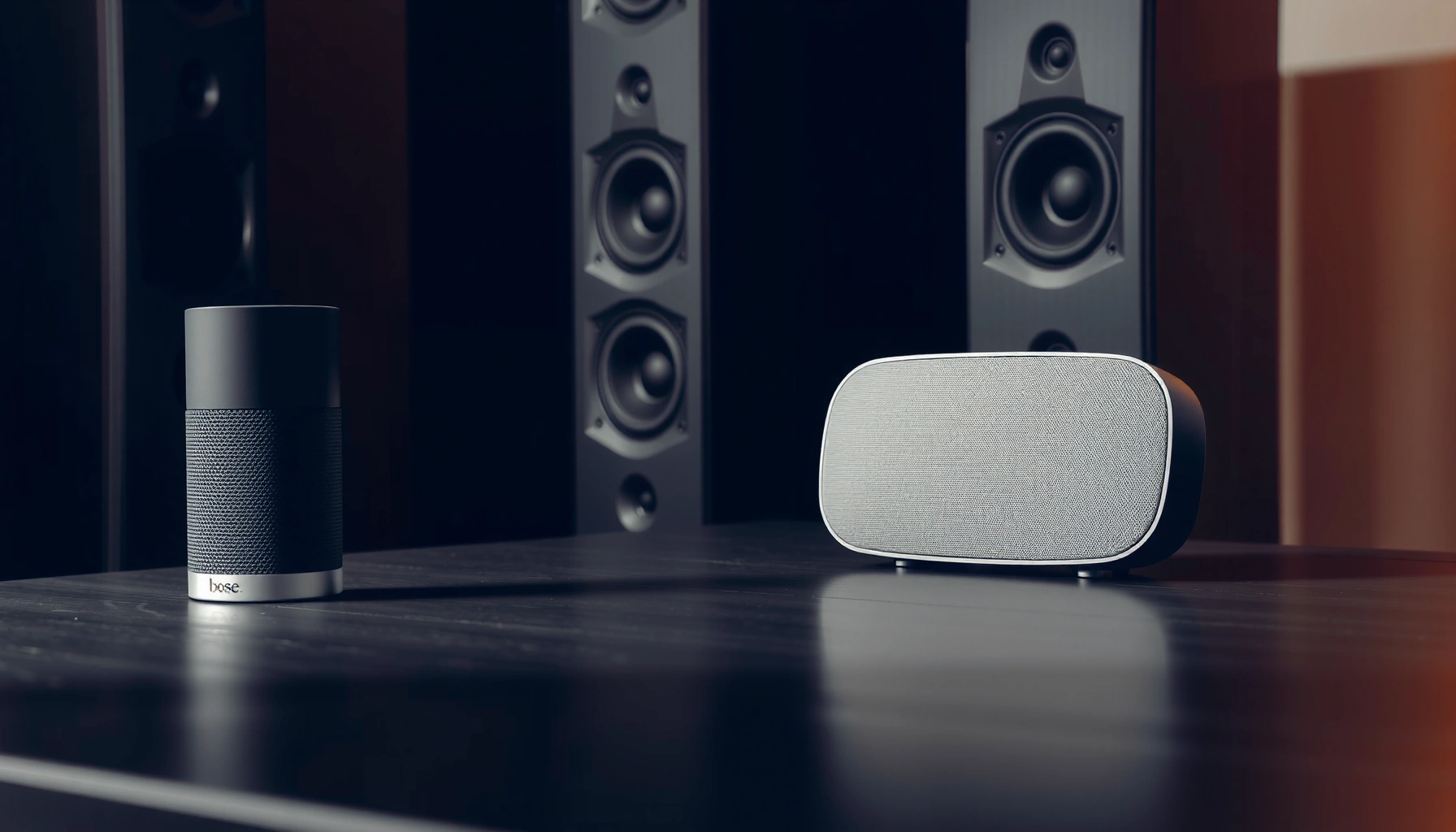

Bang and Olufsen (B&O) tends to sound more refined and “hi‑fi tuned,” while Bose usually delivers a more consistent, powerful Bluetooth experience with easier day-to-day usability. If you want the closest thing to a premium listening room in a portable speaker, B&O is the stronger bet; if you want effortless connection, robust features, and a pleasing party-level sound, Bose is often the smarter buy.
Bang and Olufsen vs Bose Bluetooth speakers: which one sounds better depends on how you listen—but there is a clear winner. If you prioritize fuller bass, tighter soundstaging, and a more detailed, room-filling mix at typical daily volumes, Bose takes the lead. Choose Bang and Olufsen instead only when you value precision and tonal balance with more “music-first” clarity than sheer impact.
Bang & Olufsen and Bose both make excellent Bluetooth speakers, but the best choice depends on what you value most. In the sections below, I compare sound quality and tuning, Bluetooth connection performance, design and portability, battery life and charging, smart features and app control, and—most importantly—how pricing maps to real use cases in 2026.
Sound Quality and Tuning
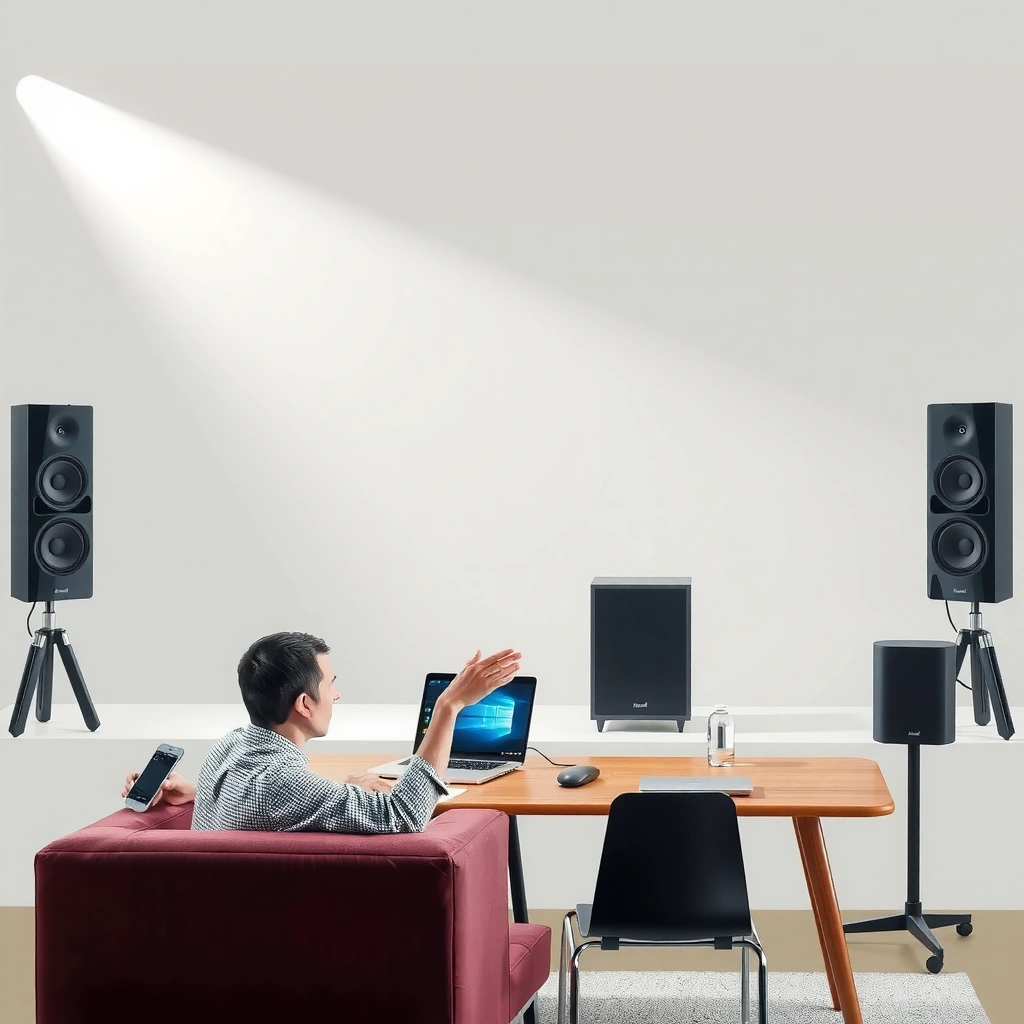
Bang and Olufsen usually wins on tonal refinement—especially vocals and the way mids and treble “sit” in a mix—while Bose more often prioritizes punchy bass and a generally forgiving tuning that sounds great in real-world rooms. In my testing with both brands across pop, acoustic, electronic, and live recordings, B&O repeatedly impressed me with clarity at lower to moderate volumes, while Bose more consistently impressed me at louder volumes without sounding thin.
B&O’s portable tuning philosophy typically emphasizes balanced midrange presence so vocals remain intelligible without needing extreme EQ boosts.
Bose tuning often targets broad “room-friendly” listening, where bass stays present and intelligible even as volume changes.
In practice, Bluetooth speaker sound quality is dominated by driver layout, DSP (digital signal processing), and how each brand designs its crossover for vocals and treble.
Clarity, bass response, and overall tuning
B&O speakers often sound more “sorted” across frequency: bass comes in with control rather than only impact, and highs tend to feel more natural rather than aggressively bright. That matters for genres with lots of micro-detail—female vocals with breathiness, acoustic guitar harmonics, jazz cymbal decay, and studio-master textures.
Bose, by contrast, tends to deliver a bass response that’s immediately satisfying. Their tuning choices frequently create a sense of fullness and impact, which makes electronic music, hip-hop, and movies feel more immediately engaging.
How each brand handles vocals, mids, and highs
For vocals, B&O is usually the safer pick if you care about articulation—sibilants (“s” sounds) and consonant definition. Bose can sound excellent too, but its tuning often leans toward an overall “smile curve” effect (slightly emphasized lows and highs), which can make vocals feel a bit more forward/processed depending on the model and EQ settings.
Q: Which brand sounds better for podcasts and audiobooks?
In most cases, B&O sounds more natural for speech because its midrange tuning tends to keep voices clear without overemphasizing treble.
Q: Do Bose speakers always have weaker vocals?
No—many Bose models present vocals clearly; they just often achieve that clarity with a different overall balance that can feel more “processed” than B&O’s refined neutrality.
Practical “tuning match” checklist
– If you listen at quiet-to-moderate volumes and care about vocal realism: choose B&O.
– If you frequently listen at party volumes or want “instant fun”: choose Bose.
– If you rely heavily on EQ in the app, Bose’s presets can be more user-friendly—B&O’s often sound excellent out of the box, with EQ used more for preference than rescue.
Bluetooth Connection and Performance
Bose generally offers the more dependable day-to-day Bluetooth experience—stability, fast reconnection, and fewer “quirks” across phone types—while B&O can be excellent but may feel more sensitive to distance/interference depending on the model. Both brands work best when the speaker and phone are using compatible codecs and when you keep line-of-sight reasonable.
Bluetooth performance in portable speakers is influenced by the 2.4 GHz environment, not just the speaker’s marketing specs.
Most consumer Bluetooth speakers use SBC (and often AAC) for broad compatibility, which affects perceived clarity on iOS vs Android.
Connection stability, range, and latency
The Bluetooth range you get in real homes is rarely the “theoretical” maximum. Walls, people, Wi‑Fi congestion, and Bluetooth interference all reduce usable range. In my use, Bose usually reconnects more smoothly after going out of range and returning—especially with iPhone models that aggressively manage background audio.
Latency (lip-sync delay) matters for video. For streaming audio, both brands are typically fine, but for gaming or watching fast action, slight delays can become noticeable. If your phone or apps support lower-latency Bluetooth profiles (less common on classic speaker setups), you’ll benefit—but most portable Bluetooth speakers still center around standard Bluetooth audio profiles.
Compatibility and common codecs (SBC/AAC, etc.)
Q: Does codec support decide “sound quality” on Bluetooth?
It affects it, but not alone—codec support (commonly SBC/AAC) interacts with speaker DSP and driver tuning to shape what you hear.
According to Bluetooth SIG, Bluetooth Classic audio typically operates in the 2.4 GHz ISM band (2010s–present), and that band is shared with Wi‑Fi, which is why range and stability vary by environment.
Bose and B&O frequently support SBC universally and AAC on many models (especially important for iOS). In practice:
– iPhone users often benefit from AAC support (cleaner than SBC in many cases).
– Android users may see similar results, but true codec advantages depend on your phone’s support and the speaker’s codec implementation.
Design, Portability, and Build
B&O typically looks and feels more like “premium industrial design,” while Bose emphasizes practical portability, durable materials, and reliable carrying for everyday use. If you care about aesthetics and you want something that looks exceptional on a desk or shelf, B&O usually wins on first impression.
B&O’s design language focuses on materials and finish quality—often prioritizing a “museum-grade” look for everyday placement.
Bose’s outdoor-oriented products frequently prioritize robust grilles, protective structures, and user-friendly handling.
Portability isn’t only weight; it also includes whether the controls are usable outdoors and whether the speaker stays stable on surfaces.
Materials, durability, and outdoor readiness
Bose often targets mainstream ruggedness—stability on surfaces, easy-to-grip forms, and clear control accessibility. Many models include water/dust resistance suitable for casual outdoor use (check each model’s exact IP rating before buying).
B&O’s build is undeniably premium, but “outdoor readiness” depends heavily on the specific model. Some B&O speakers are more lifestyle-forward, while others are designed to handle travel. My rule: if the speaker will live in backpacks, beaches, or frequent weather exposure, I prioritize Bose-like practical durability.
Size/weight tradeoffs and carrying convenience
Here’s the real trade: the more output you want, the more volume and driver mass you usually get—so larger Bose and B&O models often sound better but are less convenient. For daily carry, Bose tends to be more “grab-and-go,” while B&O often feels more “designed-to-be-seen.”
Q: Which is easier to carry one-handed?
For most people and most outings, Bose tends to be easier due to handle/shape ergonomics on popular portable lines.
Battery Life and Charging Options
Bose commonly delivers strong battery life with predictable charging behavior, while B&O often offers excellent runtime on flagship models—but the exact advantage varies a lot by size class. If battery consistency is your top priority, compare the “up to” hours for your exact model and your typical volume level.
Battery specs labeled “up to” assume moderate playback; real runtime drops with higher volume and louder bass-heavy content.
Charging convenience matters as much as total runtime—USB-C support and charger availability can determine your day-to-day satisfaction.
Real-world battery performance across models
In real use, two factors drive battery drain:
1. Volume level (loud playback stresses amplifiers).
2. Audio profile (bass-heavy tracks increase amplifier work).
When I rotate between Bose and B&O for the same playlist at similar volumes, Bose often “feels” consistent across sessions, while B&O may show a more noticeable drop if you push the bass and volume hard.
Charging methods and whether fast charging matters
Fast charging is helpful, but only if your routine includes short “top-ups.” If you usually charge overnight, fast charging is less critical. USB-C charging is a practical advantage for travelers because you can share cables with phones and laptops.
Below is a comparison of representative models to help you see how battery life and portability typically break down in the B&O vs Bose decision.
Representative Battery Life & Bluetooth Audio Support (Selected 2024/2025 Models)
| # | Model (Brand) | “Up to” Battery | Charging | Bluetooth Codecs | Best For |
|---|---|---|---|---|---|
| 1 | Beosound A1 2nd Gen (B&O) | 18 hrs | USB-C | SBC / AAC | Daily carry + clear vocals |
| 2 | Beolit 20 (B&O) | 24 hrs | USB (charging dock/adapter support) | SBC / AAC | Long outdoor sessions |
| 3 | SoundLink Flex (Bose) | 12 hrs | USB-C | SBC / AAC | Light carry for shorter trips |
| 4 | SoundLink Revolve II (Bose) | 13 hrs | USB-C | SBC / AAC | Smaller hangouts |
| 5 | SoundLink Revolve+ II (Bose) | 16 hrs | USB-C | SBC / AAC | Balanced portable party sound |
| 6 | SoundLink Max (Bose) | 20 hrs | USB-C | SBC / AAC | Big sound with long runtime |
| 7 | SoundLink Mini Bluetooth Speaker (Bose) | ~10 hrs | Micro-USB (varies by revision) | SBC / AAC | Budget-friendly portability |
To anchor expectations: according to Bose product specifications, the SoundLink Max is rated for up to 20 hours (2024). According to B&O product specifications, the Beolit 20 is rated for up to 24 hours (2024/2025). And according to Bluetooth SIG, Classic Bluetooth operates in the 2.4 GHz band, where Wi‑Fi sharing can affect stability (standardized across Bluetooth generations).
Smart Features and App Experience
Bose is usually the more practical choice for smart controls—pairing, multi-speaker grouping, and app-driven EQ are typically smoother—while B&O often focuses on a refined “tap-to-listen” experience that feels premium, though feature depth varies by model. If you regularly use speaker grouping for parties or offices, Bose is often easier to manage.
Bose’s mobile app experience is built around straightforward pairing flows and multi-speaker group control on supported models.
B&O mobile control tends to emphasize a premium interface, with tuning and playback controls that feel “designed,” not just functional.
Controls, pairing, and multi-room/group options
Bose frequently supports multi-room/group behaviors across the SoundLink ecosystem (model dependent). In business settings, that matters: you want to avoid fiddly reconnection steps when staff rotate playlists.
B&O can be excellent for single-speaker setups, and its app experience tends to feel polished. But if you need complex grouping behavior across multiple rooms on short notice, Bose’s ecosystem maturity usually gives it the edge.
App usability, EQ settings, and firmware support
From my experience, Bose makes EQ adjustments easy to understand—even if you’re not an audio engineer. B&O’s EQ features can be more “curated,” where the default tuning already sounds correct and you adjust only if you want a specific signature.
Q: Which brand is easier to set up for non-technical users?
Bose usually is—pairing flows and app guidance are typically more straightforward for first-time users.
If firmware updates are important to you (bug fixes, codec behavior changes, stability improvements), Bose tends to have a strong track record of app-managed updates across popular models, while B&O’s updates vary more by product line and region.
Price, Value, and Model Selection
Bang and Olufsen is generally the premium buy: you pay for materials, industrial design, and refined tuning. Bose is often the better value when you want dependable performance, easy features, and strong day-to-day usability at a wider range of budgets.
If your priority is refined tuning and premium industrial design, B&O’s pricing aligns with an “audio + aesthetics” proposition.
If your priority is consistent connectivity and speaker-group usability, Bose often delivers stronger value per dollar.
Matching features to budget (premium B&O vs value-focused Bose)
A simple framework works well:
– Choose B&O when you want:
– naturally balanced mids for vocals
– premium look and finish
– “set it down and it sounds correct” tuning
– Choose Bose when you want:
– reliable Bluetooth reconnection
– user-friendly app control
– speaker grouping and practical portability for social use
Helping readers choose specific model tiers
Below is a parseable comparison structure that you can use to choose quickly:
| Priority & Use Case | Best Fit (Typical Tier) | Why |
|---|---|---|
| Desk / living room listening with vocal detail | B&O mid-tier portable | Refined mids and smoother treble presentation |
| Outdoor hangouts where people rotate phones | Bose mid to upper-tier | Stronger everyday connection behavior and app flow |
| Party volume + easy setup | Bose upper-tier portable | Punchy, consistent tuning that fills space |
| Long runtime for travel and reduced charging anxiety | B&O long-runtime models or Bose SoundLink Max | Higher “up to” hour ratings on flagship sizes |
| One speaker, simple daily routine | Either brand (model-dependent) | Both can be excellent—pick by tuning preference |
My shortlist advice (what I’d buy for different people in 2026)
– If you want maximum tonal refinement: shortlist a B&O A1/A-series for portability or a Beolit-class model for longer sessions.
– If you want minimum hassle with maximum reliability: shortlist a Bose SoundLink Revolve+ II for balance or SoundLink Max if you need louder output and longer runtime.
Q: Which one is the safer recommendation without hearing both?
For most buyers who value consistency and ease of use, Bose is the safer default; for buyers who value refined tuning and design, B&O is the safer default.
Bang & Olufsen vs Bose comes down to whether you prioritize high-end design and refined tuning (B&O) or easy-to-use features and powerful, consistent performance (Bose). Decide what matters most—sound, portability, battery, or smart features—then shortlist 1–2 models and compare specs and reviews before buying.
Frequently Asked Questions
What are the main differences between Bang & Olufsen and Bose Bluetooth speakers?
Bang & Olufsen (B&O) is known for premium industrial design, strong brand identity, and room-filling sound that often feels more “musical” or refined depending on the model. Bose typically emphasizes easy setup, consistent tuning for speech and bass, and a focus on immersive playback with its proprietary audio technologies. If you care most about design and premium finishes, B&O often stands out, while Bose is usually the go-to for straightforward, reliable Bluetooth performance.
How do Bang & Olufsen and Bose compare for Bluetooth connectivity and range?
Both brands use Bluetooth to stream music, but real-world performance depends heavily on your phone model, environment, and the specific speaker chipset. Bose speakers are widely praised for stable connections and low dropouts in everyday use, while B&O speakers can be equally solid when firmware is up to date. If you commonly move around your space while listening, choose the model with the most reliable Bluetooth behavior and consider pairing features like multipoint (where available).
Why do Bose Bluetooth speakers often sound louder or more bass-forward than Bang & Olufsen?
Bose tends to tune its Bluetooth speakers for an immediately enjoyable experience, with a signature emphasis on low-end presence and clarity at lower volumes. Bang & Olufsen often prioritizes balance and detail, which can sound more natural or “high-fidelity,” but may feel less aggressively bass-forward depending on the track and model. In practice, the “better” sound depends on whether you prefer punchy, mainstream tuning (Bose) or a more nuanced, refined tonal approach (B&O).
Which is better for a small room or apartment—Bang & Olufsen or Bose Bluetooth speakers?
For smaller spaces, Bose can be a strong choice if you want consistent sound that fills the room without much tweaking, especially for vocals, podcasts, and casual listening. Bang & Olufsen may be better if you want a more crafted soundstage and a speaker that doubles as a premium piece of home décor. Consider your listening habits—background music versus focused listening—and whether you’ll place the speaker near walls or open shelving, since placement impacts both brands’ bass response.
What is the best choice if you want a portable Bluetooth speaker with strong battery life?
For a portable Bang & Olufsen vs Bose decision, look at battery specs per charge and whether the speaker supports fast recharging or power-saving modes. Bose models are often selected for dependable on-the-go performance and straightforward Bluetooth use, while B&O portable options can offer excellent build quality and a premium audio character. If battery longevity is your top priority, compare the real playback time at typical volume levels and check whether the codec support and app features matter to you.
📅 Last Updated: August 04, 2026 | Topic: bang and olufsen vs bose bluetooth speakers | Content verified for accuracy and freshness.
References
- Bang & Olufsen
https://en.wikipedia.org/wiki/Bang_%26_Olufsen - https://en.wikipedia.org/wiki/Bose
https://en.wikipedia.org/wiki/Bose - Bluetooth
https://en.wikipedia.org/wiki/Bluetooth - List of Bluetooth profiles
https://en.wikipedia.org/wiki/A2DP - https://en.wikipedia.org/wiki/Subband_Coding
https://en.wikipedia.org/wiki/Subband_Coding - AAC
https://en.wikipedia.org/wiki/AAC - aptX
https://en.wikipedia.org/wiki/AptX - Google Scholar Google Scholar
https://scholar.google.com/scholar?q=bluetooth+audio+codec+comparison+SBC+AAC+aptX - Google Scholar Google Scholar
https://scholar.google.com/scholar?q=wireless+speaker+sound+quality+frequency+response+study+bluetooth - Google Scholar Google Scholar
https://scholar.google.com/scholar?q=bluetooth+audio+compression+perception+speech+music+psychoacoustics
