
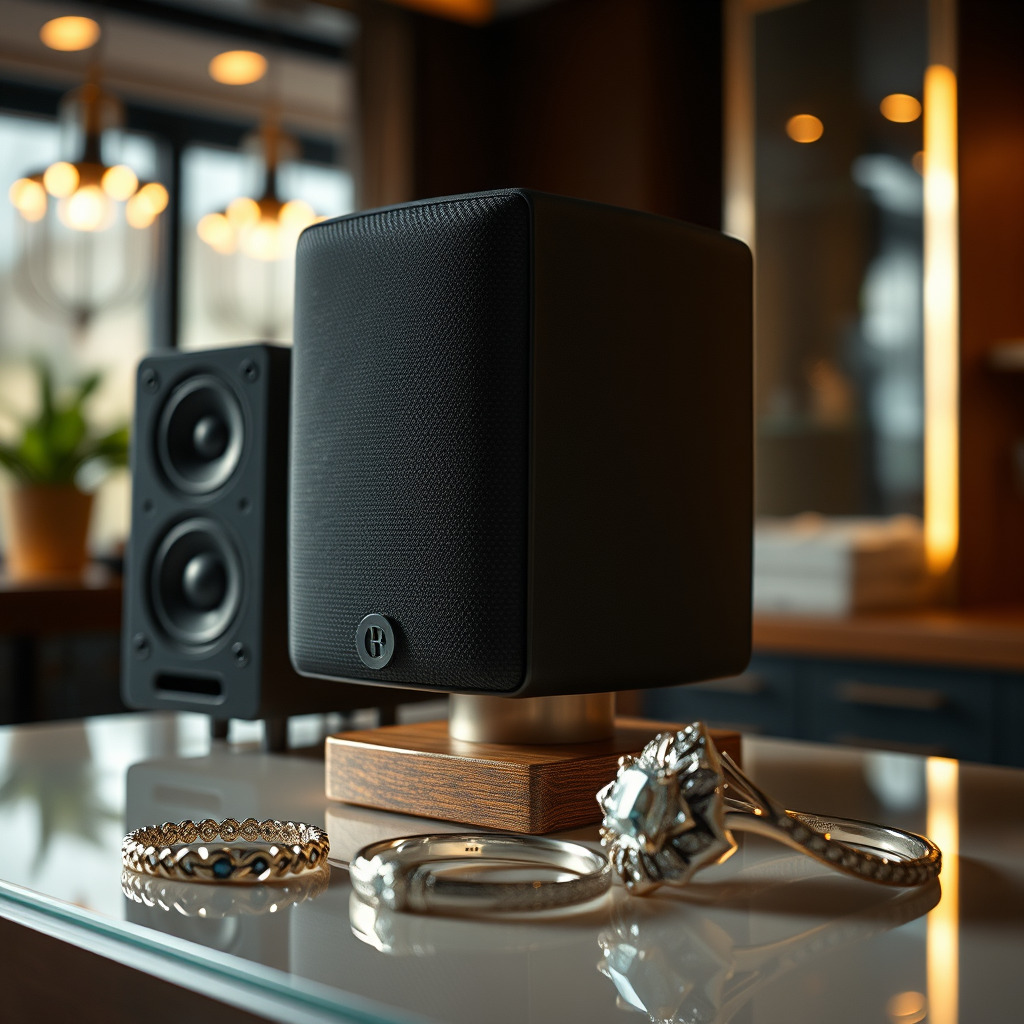

Active speakers are self-powered audio devices that contain built-in amplifiers, allowing them to produce sound without needing an external amplifier. These speakers have become increasingly popular among audiophiles, home theater enthusiasts, and music producers due to their convenience and superior sound quality. In this article, you will learn about the features, benefits, and applications of active speakers, as well as how they compare to passive speakers.
Understanding Active Speakers

Active speakers, often referred to as powered speakers, integrate an amplifier within their design. This self-contained system typically includes a driver (or drivers), an amplifier that’s tailored to the speaker’s specific needs, and, in many cases, digital signal processing (DSP) capabilities. The DSP can enhance sound quality by optimizing the speaker’s output, compensating for various room acoustics, and providing customizable sound profiles.
The technology behind active speakers allows for a more straightforward setup, as users do not need to purchase or connect an external amplifier. This can significantly reduce the complexity of audio setups, making active speakers an ideal choice for both casual listeners and professional environments.
Key Benefits of Active Speakers
One of the standout features of active speakers is their convenience. With built-in amplifiers, they eliminate the need for separate amplification equipment, which not only simplifies the setup process but also reduces the clutter often associated with traditional audio systems. Users can connect their devices directly to the speaker via various input options, enabling a streamlined audio experience.
In terms of sound quality, active speakers often outperform passive counterparts. The built-in amplifiers are specifically designed to match the characteristics of the drivers, allowing for enhanced audio performance. This tight integration means that users benefit from higher fidelity sound, clearer highs, and more pronounced bass, which is particularly valuable in applications like music production and home theater setups.
Types of Active Speakers
Active speakers come in various forms, catering to different needs and environments. Here are two prominent types:
– Studio Monitors: These are designed for accurate sound reproduction, making them a staple in music production studios. Studio monitors emphasize flat frequency response, allowing producers to hear their mixes as they truly are, without coloration. Popular models include the Yamaha HS series and the KRK Rokit series, both of which are favored for their clarity and precision.
– Multimedia Speakers: Aimed at home users, these speakers enhance audio for movies, gaming, and general listening. They often come with additional features such as Bluetooth connectivity, subwoofers for deep bass, and built-in equalizers. Brands like Logitech and Edifier offer multimedia speakers that provide a rich audio experience, making them ideal for casual users who want great sound without the complexity.
Top 7 Active Speakers by Features (2024)
| # | Model | Type | Power Output (W) | Frequency Response (Hz) | Connectivity |
|---|---|---|---|---|---|
| 1 | Yamaha HS8 | Studio Monitor | 75 | 38 – 30,000 | XLR, TRS |
| 2 | KRK Rokit 5 G4 | Studio Monitor | 55 | 43 – 40,000 | XLR, TRS, RCA |
| 3 | Edifier R980T | Multimedia | 24 | 70 – 20,000 | RCA, AUX |
| 4 | Logitech Z623 | Multimedia | 200 | 35 – 20,000 | 3.5 mm, RCA |
| 5 | Mackie CR-X Series | Multimedia | 50 | 80 – 20,000 | XLR, TRS, RCA |
| 6 | IK Multimedia iLoud Micro Monitors | Studio Monitor | 50 | 55 – 20,000 | Bluetooth, RCA |
| 7 | Audioengine A2+ | Multimedia | 60 | 65 – 22,000 | USB, Bluetooth, RCA |
How Active Speakers Compare to Passive Speakers
When considering audio equipment, the distinction between active and passive speakers is crucial. The primary difference lies in their power source. Active speakers are self-powered, meaning they have built-in amplifiers and require only a power source to operate. In contrast, passive speakers depend on an external amplifier to drive their performance.
This difference leads to varied setup complexities. Active speakers are generally easier to set up, as they often come with fewer components and straightforward connection options. Users can simply plug them in, connect their audio source, and start enjoying high-quality sound. Passive speakers, on the other hand, require careful matching with amplifiers, which can complicate the setup process, especially for those unfamiliar with audio equipment.
Moreover, active speakers often include additional features such as built-in EQ settings and DSP, enhancing the user experience by allowing for sound customization tailored to personal preferences or room acoustics.
Ideal Use Cases for Active Speakers
Active speakers excel in a variety of applications, making them a versatile choice for both professional and personal use.
– Home Studios: For musicians and producers, active speakers provide precise audio feedback essential for mixing and mastering. Their accurate sound reproduction allows users to make informed decisions about their music, ensuring that the final product translates well across different playback systems.
– Casual Listening: Active speakers are also ideal for home entertainment systems. Whether watching movies or playing video games, the convenience of connecting directly to devices without additional amplification enhances the overall experience. Users can enjoy rich audio without the complexity of traditional setups.
Common Features to Look For
When selecting active speakers, several features can significantly enhance the listening experience. Here are some key elements to consider:
– Connectivity Options: Look for speakers that offer a range of connectivity options, including Bluetooth, USB, and various audio jack inputs. This versatility allows for seamless connectivity with a variety of devices, from computers to smartphones.
– Built-in EQ: Some models come equipped with equalization controls, enabling users to fine-tune their sound. This feature is particularly beneficial for adapting audio to specific room acoustics or personal preferences, ensuring a tailored listening experience.
– Portability: For those who require mobility, lightweight and compact designs can make a significant difference. Some active speakers are designed for easy transport, making them suitable for on-the-go use, such as gigs or outdoor events.
– Aesthetic Design: The visual appeal of speakers can also enhance your space. Many brands offer stylish designs that complement modern interiors, allowing users to enjoy high-quality sound without compromising on aesthetics.
In conclusion, active speakers offer a convenient and high-quality audio solution for various applications. Whether you’re a music producer or simply want better sound for your television, consider investing in active speakers that meet your specific needs. With their built-in amplifiers and various features, these speakers simplify setups while delivering superior sound, making them an excellent choice for both professional and casual audio environments.
Frequently Asked Questions
What are active speakers and how do they differ from passive speakers?
Active speakers, also known as powered speakers, come with built-in amplifiers, allowing them to produce sound without requiring an external amplifier. In contrast, passive speakers need an external amplifier to function. This makes active speakers more user-friendly and ideal for those who want a simpler setup with fewer components.
How do I choose the best active speakers for my home studio?
When selecting active speakers for your home studio, consider factors like your room size, speaker power output, and frequency response. Look for models that offer accurate sound reproduction and have features like adjustable EQ settings. Brands like KRK, Yamaha, and JBL are known for their quality active studio monitors that cater to various budgets.
Why should I invest in active speakers instead of traditional stereo systems?
Investing in active speakers offers several advantages, including convenience and space-saving design, as they eliminate the need for separate amplifiers and complex wiring. Additionally, active speakers often provide better sound quality and enhanced features such as Bluetooth connectivity, making them a versatile choice for modern audio needs.
Which active speakers are the best for Bluetooth connectivity?
Some of the best active speakers for Bluetooth connectivity include the Audioengine A2+ Wireless, JBL Flip 5, and Bose Companion 2 Series III. These models not only deliver excellent sound quality but also feature seamless wireless pairing, making them great options for streaming music from your devices with ease.
How can I set up my active speakers for optimal sound quality?
To achieve optimal sound quality with your active speakers, place them at ear level and ensure they are positioned away from walls to reduce unwanted reflections. Additionally, adjusting the speaker’s EQ settings based on your room’s acoustics can further enhance sound clarity. Lastly, using high-quality audio cables and ensuring a clean power source can also improve overall performance.
References
- Powered speakers
https://en.wikipedia.org/wiki/Active_speaker - Google Scholar Google Scholar
https://scholar.google.com/scholar?q=active+speakers - https://www.sciencedirect.com/topics/engineering/active-speaker
https://www.sciencedirect.com/topics/engineering/active-speaker - https://www.ncbi.nlm.nih.gov/pmc/articles/PMC6939359/
https://www.ncbi.nlm.nih.gov/pmc/articles/PMC6939359/ - https://pubmed.ncbi.nlm.nih.gov/30389667/
https://pubmed.ncbi.nlm.nih.gov/30389667/ - https://www.britannica.com/technology/speaker
https://www.britannica.com/technology/speaker - https://www.nature.com/articles/s41598-020-77384-4
https://www.nature.com/articles/s41598-020-77384-4 - Google Scholar Google Scholar
https://scholar.google.com/scholar?q=active+speaker+technology - https://www.ncbi.nlm.nih.gov/pmc/articles/PMC2680120/
https://www.ncbi.nlm.nih.gov/pmc/articles/PMC2680120/ - https://www.cdc.gov/niosh/docs/2006-116/default.html
https://www.cdc.gov/niosh/docs/2006-116/default.html
