


Wiring an amplifier to speakers can seem daunting, but it’s a straightforward process that you can tackle with the right steps. In this guide, you’ll learn how to connect your amplifier to your speakers efficiently and safely, ensuring that you get the best sound quality from your audio system. Proper wiring not only enhances audio performance but also protects your equipment from potential damage.
Understanding Your Equipment
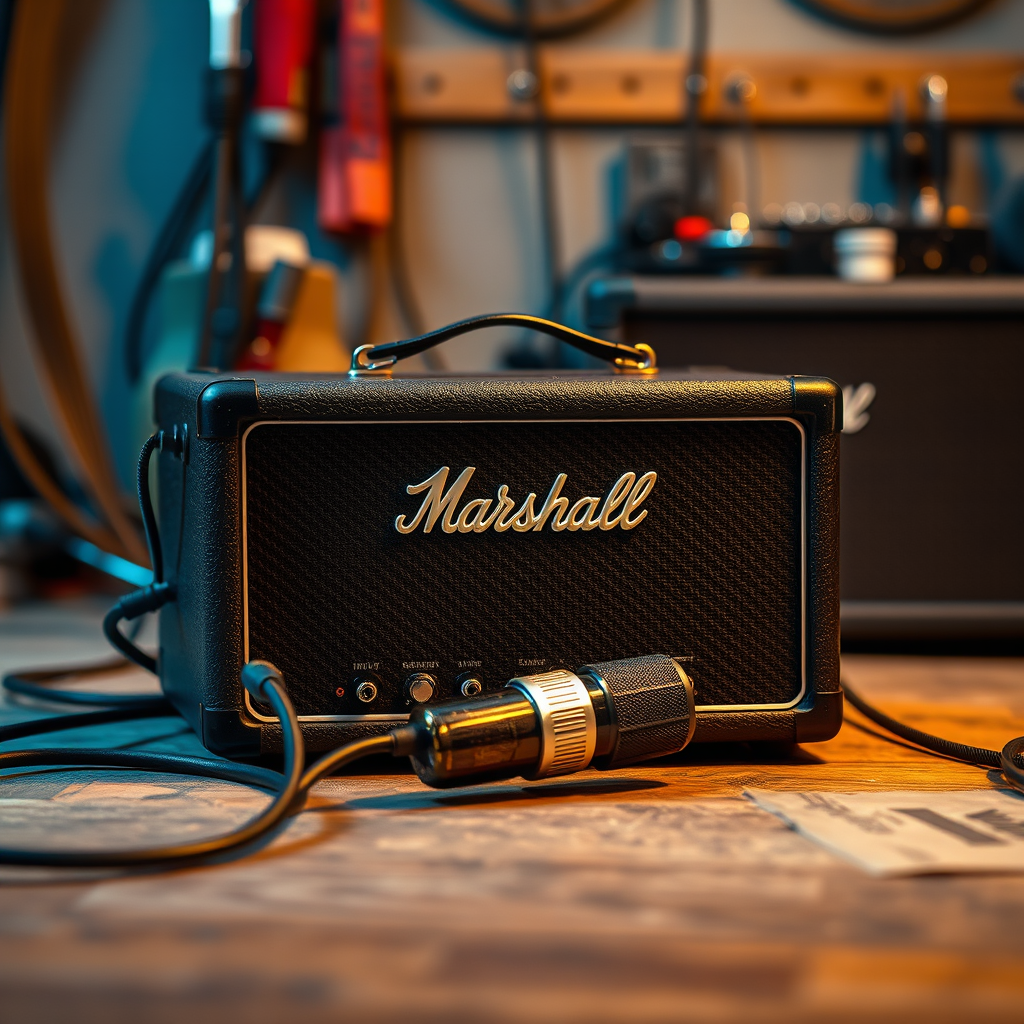
The first step in wiring your amplifier to speakers is to gain a comprehensive understanding of the equipment you are working with. Identify the type of amplifier you have—whether it’s a stereo amplifier, a multi-channel receiver, or a dedicated home theater amplifier. Each type has its own specifications and may differ in output power and impedance.
Next, familiarize yourself with the impedance ratings of your speakers. Most home audio speakers are rated at either 4, 6, or 8 ohms, which indicates how much electrical resistance they provide. It’s crucial to match the impedance of your speakers with the output of your amplifier to avoid overloading the system. Additionally, check the power handling capacity of your speakers to ensure that the amplifier does not exceed these limits, as this can lead to distortion or permanent damage.
Gathering the Necessary Tools
Before you begin the wiring process, you need to gather the essential tools to ensure a smooth installation. Here’s a list of what you’ll need:
– Wire Strippers: These are used to strip the insulation off the ends of the speaker wires, exposing the copper strands for connection.
– Screwdriver: A flathead or Phillips screwdriver will be necessary depending on the type of screws used in your connections.
– Speaker Wire: Ensure you have the correct gauge of speaker wire. For most home systems, 16-gauge wire is sufficient, while larger setups may require 14-gauge or even 12-gauge wire for longer runs.
– Electrical Tape: This can be useful for securing connections and providing additional insulation.
– Cable Management Supplies: To keep your setup neat and organized.
Having the right tools on hand will streamline the process and minimize the risk of mistakes.
Preparing the Amplifier
Once you have your tools ready, the next step is to prepare your amplifier for the connection. Begin by locating the speaker output terminals on the back of the amplifier. These are typically labeled with color codes—red for positive and black for negative.
Before proceeding, ensure that the amplifier is turned off and unplugged from the power source. This is a critical safety step to prevent any electrical shock or damage to the equipment while you make the connections.
Top 7 Amplifiers for Home Audio Systems (2024)
| # | Model | Power Output | Impedance | Best For |
|---|---|---|---|---|
| 1 | Yamaha A-S801 | 100W | 8Ω | Home Theater |
| 2 | Marantz PM8006 | 70W | 8Ω | Music Listening |
| 3 | Denon PMA-1600NE | 70W | 4Ω | Versatile Use |
| 4 | Onkyo A-9110 | 50W | 8Ω | Budget Build |
| 5 | Cambridge Audio CXA81 | 80W | 8Ω | High Fidelity |
| 6 | Sony STR-DN1080 | 100W | 8Ω | Home Theater |
| 7 | NAD C 368 | 80W | 4Ω | Multi-Channel |
Connecting the Speaker Wires
With your amplifier prepared, you can now connect the speaker wires. Start by stripping about half an inch of insulation off the ends of the speaker wires using your wire strippers. This exposes the copper strands necessary for making the connection.
Next, connect the positive (red) wire from the amplifier to the positive terminal on your speaker, and the negative (black) wire from the amplifier to the negative terminal on the speaker. Ensure that you maintain consistency in your connections—this is crucial for the proper function of your audio system. If you accidentally reverse the polarity, it can result in poor sound quality or even damage to your equipment.
Setting Up the Speakers
Once your wires are connected, it’s time to position your speakers for optimal sound quality. The placement significantly affects audio clarity and bass response. Ideally, speakers should be placed at ear level and angled towards the listening area. If you’re using multiple speakers, ensure they are spaced evenly to create a balanced audio experience.
After positioning, double-check that all connections are secure. Loose connections can lead to poor sound quality or intermittent audio. Additionally, verify the polarity once more to prevent any phase issues that could distort sound.
Testing the System
With everything connected, you can now power up your amplifier. Plug it back into the power outlet and turn it on. It’s advisable to start with a low volume to test the connections. Play a familiar track and listen closely for any anomalies such as distortion, rattling, or a lack of sound from one or more speakers.
If everything sounds good, gradually increase the volume, but be cautious not to exceed the power handling capacity of your speakers. This is a good time to also check for any signs of overheating in the amplifier, which can indicate an improper connection or mismatch in impedance.
Troubleshooting Common Issues
Even with careful setup, issues can arise. Here are some common problems and their solutions:
– No Sound: Double-check that all connections are secure, and ensure that the amplifier is set to the correct input source.
– Distorted Audio: This could be caused by incorrect polarity. Ensure that positive and negative connections are matched correctly. Also, check the amplifier settings to ensure they are optimized for your speakers.
– Overheating: If your amplifier becomes excessively hot, it may be due to a mismatch in impedance or an overloaded circuit. Verify the specifications of both the amplifier and the speakers to ensure they are compatible.
By identifying and addressing these common issues, you can enjoy a seamless audio experience.
In conclusion, wiring an amplifier to speakers is a manageable task that can greatly enhance your audio experience when done correctly. By following this step-by-step guide, you ensure that your connections are secure, your equipment is protected, and your sound quality is optimized. Should you face any difficulties, refer back to this guide for troubleshooting tips and best practices. Enjoy your newly wired audio setup!
Frequently Asked Questions
How do I wire an amplifier to my speakers correctly?
To wire an amplifier to your speakers, first ensure the amplifier is powered off. Connect the positive terminal of the amplifier to the positive terminal of the speaker, and do the same for the negative terminals. Use quality speaker wire, ensuring that the connections are secure to avoid any loss in sound quality. Finally, double-check all connections before powering on the amplifier.
What type of speaker wire should I use for connecting my amplifier?
The best type of speaker wire to use for connecting your amplifier depends on the distance between the amplifier and the speakers. Generally, 16-gauge wire is suitable for most home audio setups, while longer runs may benefit from 14-gauge wire to minimize resistance. Always choose oxygen-free copper wire for optimal sound quality and durability.
Why is it important to match the impedance of my speakers with my amplifier?
Matching the impedance of your speakers with your amplifier is crucial to ensure optimal performance and prevent damage to either component. If the impedance is too low, the amplifier may overheat and fail; if it’s too high, you may not get enough power to drive the speakers effectively. Most home audio systems use 4, 6, or 8-ohm speakers, so check your amplifier’s specifications to find the best match.
What are the best practices for wiring multiple speakers to one amplifier?
When wiring multiple speakers to one amplifier, use either series or parallel wiring configurations, keeping in mind the total impedance load. Ensure that the combined impedance does not drop below the amplifier’s rating to avoid potential damage. Additionally, consider using a speaker selector switch for convenience and to manage the load more effectively.
Which tools do I need to wire my amplifier to speakers?
To wire your amplifier to speakers, you will need a few essential tools: a wire stripper to prepare the speaker wires, a screwdriver for secure connections, and possibly a multimeter to check for continuity. Having a soldering iron can also be helpful for creating a solid connection if you prefer soldering over using connectors.
References
- Audio power amplifier
https://en.wikipedia.org/wiki/Audio_amplifier - Support | Rockford Fosgate ®
https://www.rockfordfosgate.com/rftech/wiring101/ - https://www.crutchfield.com/S-3QmS8mYB5qL/learn/how-to-install-an-amplifier.html
https://www.crutchfield.com/S-3QmS8mYB5qL/learn/how-to-install-an-amplifier.html - Google Scholar Google Scholar
https://scholar.google.com/scholar?q=wiring+amplifier+to+speakers - Google Scholar Google Scholar
https://scholar.google.com/scholar?q=amplifier+installation+guidelines - Google Scholar Google Scholar
https://scholar.google.com/scholar?q=how+to+connect+speakers+to+amplifier - https://www.electronics-tutorials.ws/amplifier/am_1.html
https://www.electronics-tutorials.ws/amplifier/am_1.html - Google Scholar Google Scholar
https://scholar.google.com/scholar?q=how+to+wire+amplifier+to+speakers - how to wire amplifier to speakers – Search results
https://en.wikipedia.org/wiki/Special:Search?search=how+to+wire+amplifier+to+speakers - https://www.ncbi.nlm.nih.gov/search/research-articles/?term=how+to+wire+amplifier+to+speakers
https://www.ncbi.nlm.nih.gov/search/research-articles/?term=how+to+wire+amplifier+to+speakers
