


Understanding Parallel Wiring
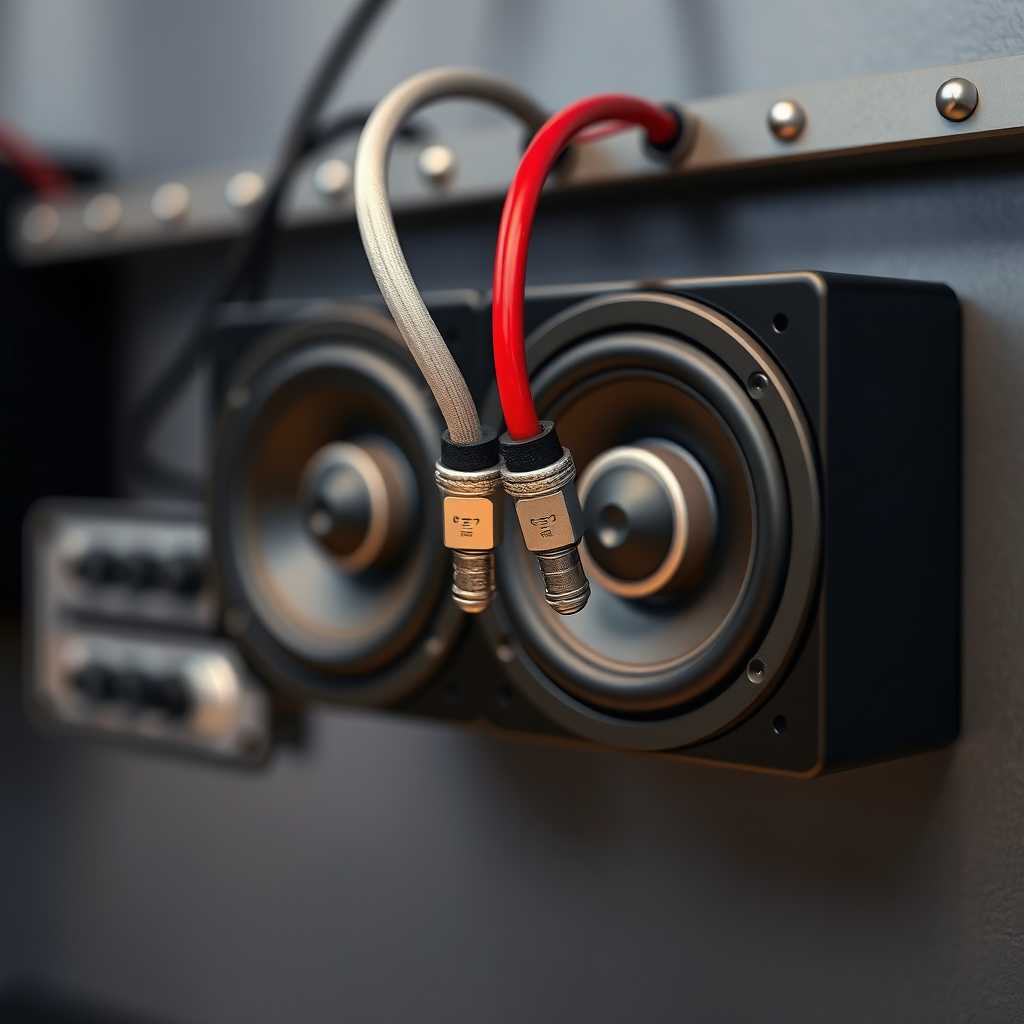
Parallel wiring connects multiple speakers to a single amplifier. This configuration allows each speaker to receive the same voltage, which helps maintain a consistent sound level across all speakers. The primary advantage of parallel wiring is that it increases the overall speaker output without significantly diminishing sound quality. When wired in parallel, the total impedance decreases, which can be beneficial for amplifiers capable of handling lower impedance loads. However, it’s crucial to ensure that the combined impedance of the speakers does not drop below the minimum requirement of your amplifier to avoid damage.
Parallel wiring can also create a fuller sound experience. By connecting speakers in parallel, you can enhance the overall audio dynamics, making it especially beneficial for larger spaces or for audiophiles seeking an immersive listening experience.
Tools and Materials Needed
To wire speakers in parallel, you will need some basic tools and materials:
– Speaker wire: Choose an appropriate gauge based on the distance and speaker specifications. For most residential setups, 16 to 18 gauge wire is sufficient.
– Wire strippers: These will help prepare the ends of the speaker wire for secure connections.
– Terminal connectors: While optional, terminal connectors can provide a more secure and reliable connection to your speakers and amplifier.
– Multimeter: To check the impedance and ensure that all connections are functioning correctly.
– Screwdriver: Necessary for tightening connections, particularly if your speakers or amplifier use terminal screws.
Investing in high-quality speaker wire and connectors can significantly impact sound performance, making it worthwhile to choose wisely.
Step-by-Step Wiring Process
1. Turn Off Your Amplifier: Always start by turning off your amplifier and unplugging it from the wall to prevent any electrical hazards during installation.
2. Prepare the Speaker Wire: Strip about 1/2 inch of insulation from both ends of the speaker wire using your wire strippers. This will expose the copper strands necessary for making good electrical contact.
3. Connect the First Speaker: Connect one end of the wire to the positive terminal of the amplifier and the other end to the positive terminal of the first speaker. Make sure to note the polarity; positive should connect to positive, and negative to negative.
4. Connect Additional Speakers: For each additional speaker, use a separate piece of wire to connect its positive terminal to the positive terminal of the first speaker. Repeat this process for the negative terminals, ensuring that each speaker’s negative terminal connects to the first speaker’s negative terminal.
5. Ensure Secure Connections: If using terminal connectors, attach them securely to ensure a solid connection. Loose connections can lead to sound distortion or loss.
Connecting Multiple Speakers
When connecting multiple speakers in parallel, it’s essential to maintain the correct wiring configuration. The process is straightforward:
1. Positive Connections: Each speaker’s positive terminal should be wired to the positive terminal of the first speaker. This creates a parallel circuit where each speaker receives the same voltage.
2. Negative Connections: Similarly, connect each speaker’s negative terminal to the negative terminal of the first speaker. This ensures that all speakers share a common ground.
3. Check Impedance: After wiring, check the total impedance. For example, if you wire two 8-ohm speakers in parallel, the total impedance will be 4 ohms. Ensure that your amplifier can handle this load to avoid any potential damage.
4. Final Connections: Double-check all connections for security and proper polarity before powering on your system.
Common Speaker Impedance Ratings
| # | Speaker Type | Impedance (Ohms) | Power Rating (W) | Ideal Wiring |
|---|---|---|---|---|
| 1 | Home Theater Speakers | 8 | 100 | Parallel |
| 2 | Car Audio Speakers | 4 | 150 | Parallel |
| 3 | Bookshelf Speakers | 6 | 80 | Parallel |
| 4 | Studio Monitors | 8 | 120 | Parallel |
| 5 | Outdoor Speakers | 4 | 100 | Parallel |
| 6 | In-wall Speakers | 8 | 90 | Parallel |
| 7 | Portable Speakers | 4 | 60 | Parallel |
Testing Your Setup
After completing the wiring, it’s essential to test your setup to ensure everything is functioning correctly.
1. Power On Your Amplifier: Once all connections are secure, power on your amplifier.
2. Play a Sound Source: Choose a sound source that is familiar to you—this could be a favorite song or a test tone.
3. Listen for Distortion: Pay attention to the sound output. If you notice any distortion or imbalance in sound, this may indicate a wiring issue or that one of the speakers is not receiving adequate power.
4. Adjust as Necessary: If you encounter issues, turn off the amplifier and double-check all connections. Ensure that the polarity is correct and that the impedance load is within the specifications of your amplifier.
5. Fine-tune Your Setup: Once everything is confirmed to be working, consider fine-tuning your speaker placement to achieve the best sound quality.
Troubleshooting Common Issues
Even with proper wiring, issues can arise. Here are steps to troubleshoot common problems:
– One Speaker Isn’t Working: If one speaker is silent, check all connections. A loose or improperly connected wire is often the culprit. Verify that the speaker itself is functional by connecting it directly to the amplifier.
– Sound Distortion: If the sound is distorted, it could be due to impedance mismatches. Ensure that the combined impedance of all connected speakers does not exceed the rated load of the amplifier.
– Amplifier Overheating: If the amplifier overheats, it may be operating outside its specifications. Check the total impedance and reduce the number of connected speakers if necessary.
– Intermittent Sound: This can be a result of faulty speaker cable or connectors. Replace any damaged components and retest the setup.
By methodically addressing these common issues, you can ensure a smooth audio experience and protect your equipment from potential damage.
In summary, wiring speakers in parallel is an effective way to enhance your audio setup, provided it is done correctly. By following the steps outlined in this guide, you can enjoy improved sound quality and performance from your audio system. Always ensure to double-check your wiring and experiment with your setup to find the ideal configuration for your space. With careful attention to detail, your parallel speaker wiring can significantly elevate your listening experience.
Frequently Asked Questions
How do you wire speakers in parallel correctly?
To wire speakers in parallel, first, ensure your audio receiver is turned off to prevent any damage. Connect the positive terminal of the first speaker to the positive terminal of the receiver, and then connect the negative terminal of the first speaker to the negative terminal of the receiver. Repeat this process for each additional speaker, ensuring all positives and negatives are connected accordingly. This configuration allows all speakers to receive the same audio signal simultaneously.
What are the benefits of wiring speakers in parallel?
Wiring speakers in parallel can significantly increase the overall sound output and improve the system’s efficiency. Each speaker receives the same voltage from the amplifier, which can enhance sound quality and ensure a more robust audio experience. Additionally, this method allows for a more straightforward wiring setup, making it easier to add more speakers without complicated configurations.
Why should you wire speakers in parallel instead of series?
Wiring speakers in parallel is generally preferred over series because it maintains the same voltage across each speaker, ensuring consistent sound quality and volume. In contrast, series wiring can lead to a drop in overall impedance, which may reduce power delivery and affect the sound performance. By using parallel wiring, you can achieve a better balance of sound and maintain higher overall system efficiency.
Which speakers are best to wire in parallel?
The best speakers to wire in parallel are those that have the same impedance rating, typically either 4 ohms or 8 ohms. This ensures that the load on the amplifier is even, preventing any potential damage to the equipment. Additionally, using speakers of similar wattage and sensitivity ratings will provide a more consistent audio experience across all connected speakers.
How do you calculate the impedance when wiring speakers in parallel?
To calculate the total impedance when wiring speakers in parallel, use the formula: 1 / (1/R1 + 1/R2 + 1/R3 + … + 1/Rn), where R represents the impedance of each speaker. For example, if you have two 8-ohm speakers wired in parallel, the calculation would be 1 / (1/8 + 1/8), resulting in a total impedance of 4 ohms. This is crucial for ensuring your amplifier can handle the load without overheating or being damaged.
References
- https://en.wikipedia.org/wiki/Speaker_impedance
https://en.wikipedia.org/wiki/Speaker_impedance - Google Scholar Google Scholar
https://scholar.google.com/scholar?q=how+to+wire+speakers+in+parallel - https://www.audioholics.com/home-theater-connection/wiring-speakers-in-parallel
https://www.audioholics.com/home-theater-connection/wiring-speakers-in-parallel - https://www.sweetwater.com/insync/wiring-speakers-in-parallel/
https://www.sweetwater.com/insync/wiring-speakers-in-parallel/ - Google Scholar Google Scholar
https://scholar.google.com/scholar?q=speaker+impedance+parallel+connections - https://www.audio.com/articles/how-to-wire-speakers-in-parallel-and-series
https://www.audio.com/articles/how-to-wire-speakers-in-parallel-and-series - Google Scholar Google Scholar
https://scholar.google.com/scholar?q=how+do+you+wire+speakers+in+parallel - how do you wire speakers in parallel – Search results
https://en.wikipedia.org/wiki/Special:Search?search=how+do+you+wire+speakers+in+parallel - https://www.ncbi.nlm.nih.gov/search/research-articles/?term=how+do+you+wire+speakers+in+parallel
https://www.ncbi.nlm.nih.gov/search/research-articles/?term=how+do+you+wire+speakers+in+parallel
